

A few years ago, every product seemed to contain hyaluronic acid. Then niacinamide had its moment. Now?
You can’t research anything on skincare without seeing peptides mentioned.
From skin chemists to TikTok influencers to new estheticians who swear they’ve found the holy grail of facial routines… everyone is pushing this buzzword as the magic fix you’re missing. Why?
What are Peptides?
Peptides are chains of amino acids. Think of topical peptides as tiny messengers that send reminders to your skin to perform certain jobs. Different peptides send different messages, so there isn’t just one type.
Some peptides are better at supporting collagen, some focus on hydration or repair, and others are designed to soften the look of wrinkles, but there are four main types used in skincare.
I’ll explain them in plain English because every bit of information out there seems to overcomplicate it:
Signal Peptides
They “signal” the skin to produce more collagen, elastin, and other proteins that help support firmness and improve the appearance of fine lines over time. Think: the anti-aging peptide.
You’ll find them in: Matrixyl®, Palmitoyl Tripeptide-1, Palmitoyl Tetrapeptide-7
Carrier Peptides
These help deliver ingredients, such as copper, that support skin repair and healing. Result? Glowing skin, inflammation reduction.
Found in: Copper peptide, GHK-Cu
Neurotransmitter Inhibitor Peptides
These are the ones touted as a “Botox alternative.” bombastic side eye
Is it really? Absolutely not… BUT it does work by interfering with some of the chemical signals between nerves and facial muscles. Just don’t expect miracles.
Example: Argireline®, Acetyl Hexapeptide-8
Enzyme Inhibitor Peptides
These peptides help slow down enzymes that naturally break down important components of the skin, such as collagen or elastin. They can also work well on dark spots as a melanin interrupter.
Sounds like it could be the most effective game changer when it comes to preventative skincare, right?
It’s actually not as common: Oligopeptide-68
You've likely heard the word "peptide" outside of skincare, too.
Prescription medications like GLP-1s are also peptides, but they work throughout the body to treat conditions such as type 2 diabetes and obesity.
There are also “wellness” peptides, a common add-on at questionable medspas. These are typically non-approved, compounded ingredients in the form of injectables, advertising more energy, better metabolism, muscle growth, etc.
The marketing is impressive. The human evidence is lacking… to say the least.
Do Skincare Peptides Work?
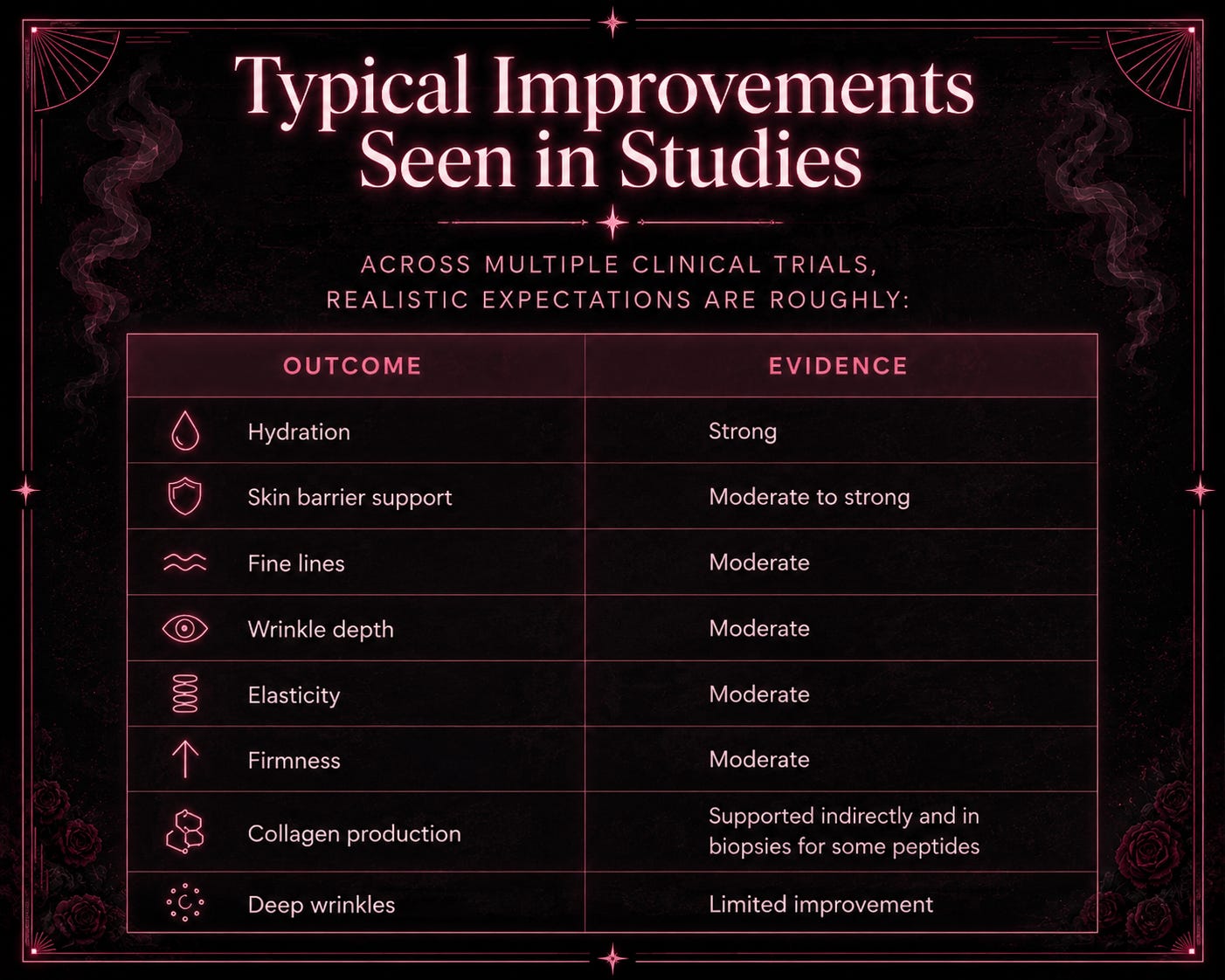
With realistic expectations, yes. While not every peptide has the same level of research behind it, well-studied peptides have consistently shown benefits for hydration, skin barrier support, and improving firmness.
Like most skincare, the results are gradual rather than dramatic and dependent on several months of consistent use.
If you’re looking to add peptides to your routine, you’ll usually find them in serums and moisturizers. The good news? They’re one of the easiest ingredients to work into an existing routine because they generally play well with other ingredients.
You may have heard the old school advice that peptides shouldn’t be used with AHAs, BHAs, or Vitamin C. While that advice is still recycled online, there isn’t much evidence to support it.
Most modern peptide products are formulated to be used alongside other active ingredients.
So, you get the science behind it now. What about products?
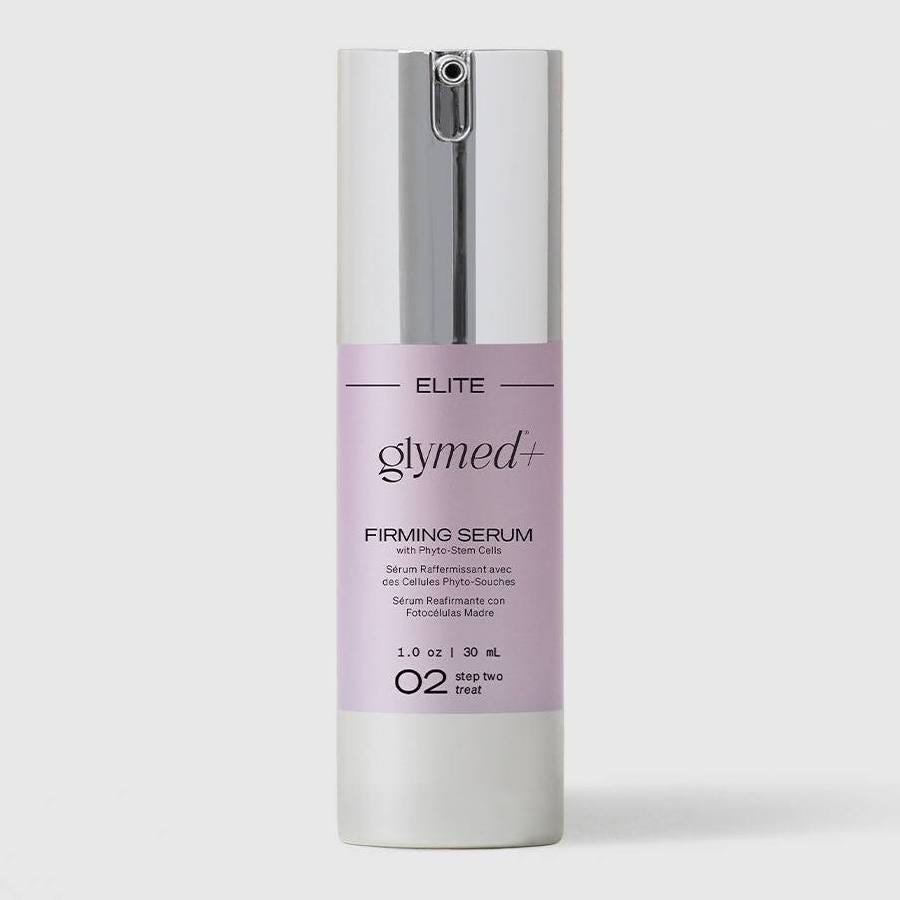
My personal pick is GlyMed+’s Firming Serum. I recommend it because it contains several of the best-studied peptide technologies in one formula:
• Palmitoyl Tripeptide-1
• Palmitoyl Tetrapeptide-7
• Copper Tripeptide-1 (GHK-Cu)
• Acetyl SH-Heptapeptide-1
You’re getting both collagen-supporting peptides and copper peptides in a single product, rather than relying on just one ingredient.
I’ve been using it consistently myself, and one of the first things I noticed was how hydrated my skin looked immediately after application. Over the past several weeks, I’ve also noticed my neck, a bit of a “problem area” after weight loss, looks less crepey throughout the day when I use it morning and night as directed.
That’s my personal experience, not a clinical study, but it’s enough that this has earned a permanent place in my routine. I’ll definitely be repurchasing… (Watch out for a coming post on what items are on my re-order list!)
If you’re looking for something richer, GlyMed+’s Atraxi Peptide is another standout.
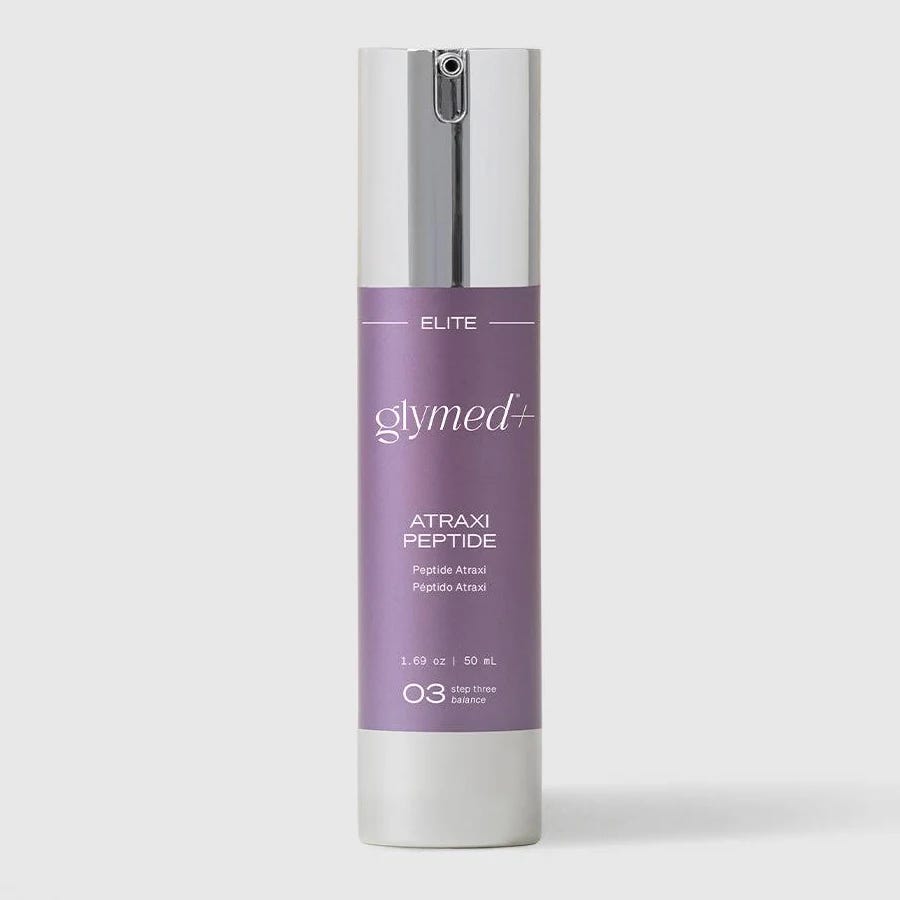
It’s a moisturizer rather than a serum, and it’s packed with multiple peptide technologies, including Matrixyl-family peptides, copper peptides, and Argireline, making it one of the most peptide-rich products in GlyMed’s lineup.
From the skincare brands I work with, these are two of the standouts that check all the boxes and will give the most return from your investment.
Peptides aren't a magic wand that will erase 20 years of sun damage or replace procedures, and they certainly won't replace sunscreen, tretinoin, or healthy skin habits. But unlike many skincare trends that come and go, they have a growing body of research behind them and some serious staying power.
If you're looking for a gentle ingredient that can support healthier, stronger, and more resilient skin over time, peptides are absolutely worth considering.
If you want some additional recommendations, leave a comment or reach out on Fiverr.